My workday round-trip commute is almost 70 miles and takes three hours or more when driving. That racks up to be 15 hours per week or 750 hours (over 31 days) for a 50-week work year, if you’re lucky to get two weeks of vacation. But, because I take my bike to work, I can halve that amount of time and keep what’s left of my sanity as I actually enjoy the ride. Also, as my bikes get twice the gas milage as my truck, I save money too. So, with these benefits, year-round good riding weather, and that California has more motorcycle registrations than any other state, why don’t more Golden State motorcyclists ride their bikes to work? Probably due to the perceived inconveniences.
Driving a car takes very little effort and requires almost no preparation. You get in and off you go, not having to worry about what you’re wearing, what the weather is like, and having plenty of room for whatever you need to take with you. Also, the differences in conspicuity and safety compared to a bike go without saying. Riding takes more skill, thought, preparation, and effort, and it’s perhaps because of this that motorcyclists don’t ride to and from work. With a little consideration, however, these perceived inconveniences can be overcome. Let’s start with what you have to wear for work and what you should wear for the ride. As background, I’m an all-the-gear-all-the-time rider and live by the adage, “dress for the crash, not the ride.”
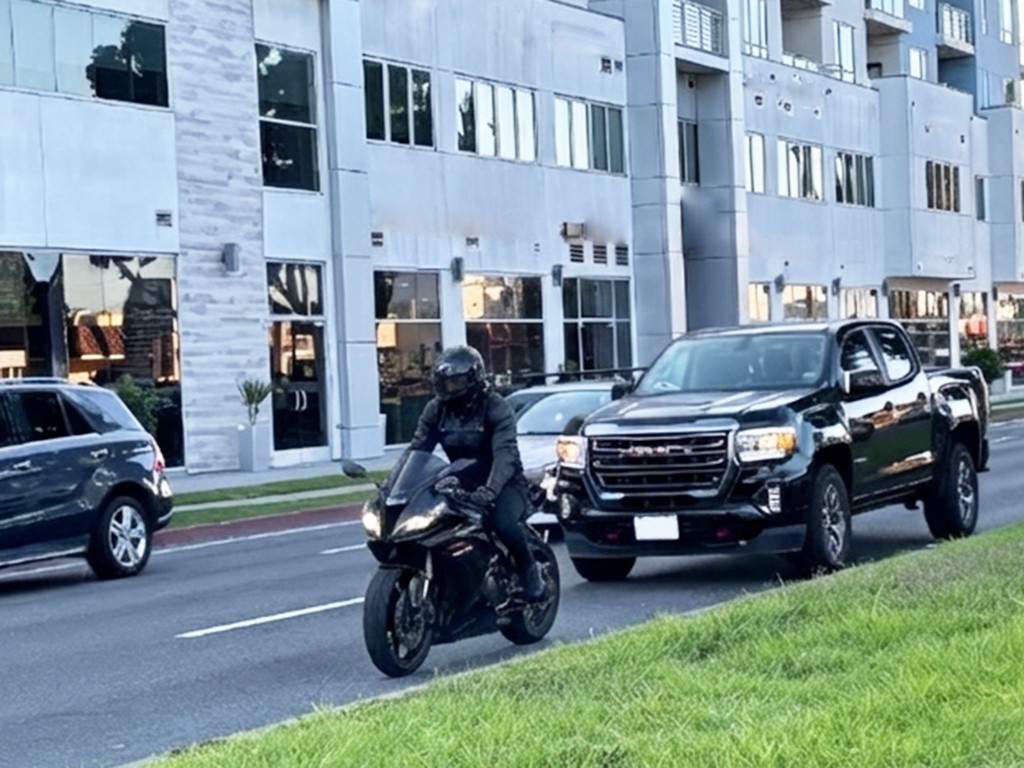
If you’re lucky enough to have a casual dress code at work, what you wear at work can be the same as what you wear when riding as today there’s a huge choice of boots, pants, shirts and jackets that look like everyday apparel and are all-day comfortable but include abrasion-resistant materials like Cordura, Kevlar and Dyneema and almost imperceptible slim CE Level-1 armor. For those like me who have a more formal work dress code, I wear wrinkle-resistant pants and shirts and keep a pair of dress shoes at work. For my ride to the office I wear motorcycle boots and a protective over suit on top of my work clothes. Upon arrival, I just take off the suit, switch my boots for dress shoes, and am almost ready to work. I say almost as I also have to do my hair—vain I know but I get the worse helmet hair you can image—but that’s easy enough to address as I have a toiletries bag at work with hair gel and a comb.
Together with its protective properties, good riding gear also keeps you comfortable in different weather conditions. Where I live in Southern California, almost every day of the year has good riding weather, with commute-time temperatures ranging from the 40s to occasionally a little over 100 degrees Fahrenheit, and very little rain. Having a range of gear from waterproof and insulated items for the cooler months and a vented jacket, pants, and gloves for the warmer temperatures, I’m comfortable no matter what the mild SoCal weather throws at me. So, you’re protected for the ride (crash) and from the weather, but what about carrying things like your lunch, tools, laptop, etc.? There are several convenient options here too.
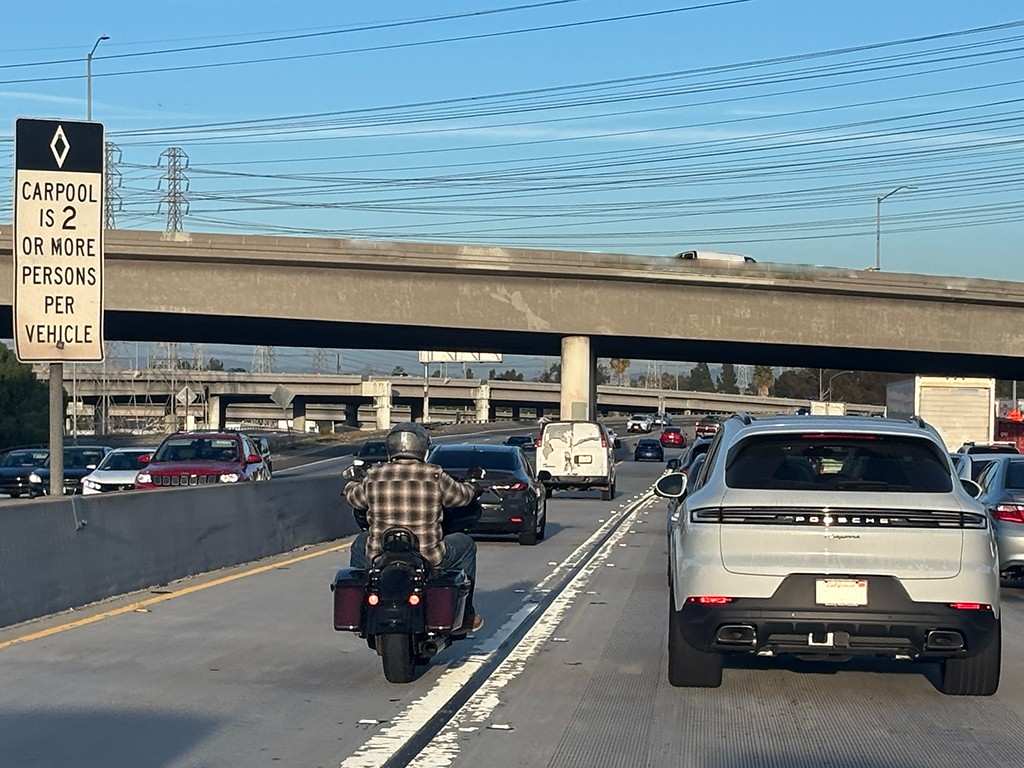
My adventure touring bike has hard luggage, which is the best option as it keeps items locked and protected from the weather. Although the bike has saddlebags as well as a top case, I only use the latter as the saddlebags make my bike much wider and I want it to be as slim as possible for lane sharing. My other bike is a sports standard so I strap a soft-sided tail bag to the passenger seat and due to its expandability, it can carry almost as much as my ADV’s hard case, so plenty of room for my laptop, lunch bag, and more. There’s lots of other motorcycle luggage options including throw-over soft saddlebags and tank bags, depending upon what you have to carry. Of course there’s the old stand-by backpack but you’ll want to adjust the shoulder straps so the bag’s weight sits on the passenger seat—taking the weight of your shoulders—but also use a pack with a sternum strap and/or waist strap to keep it secure on your back.
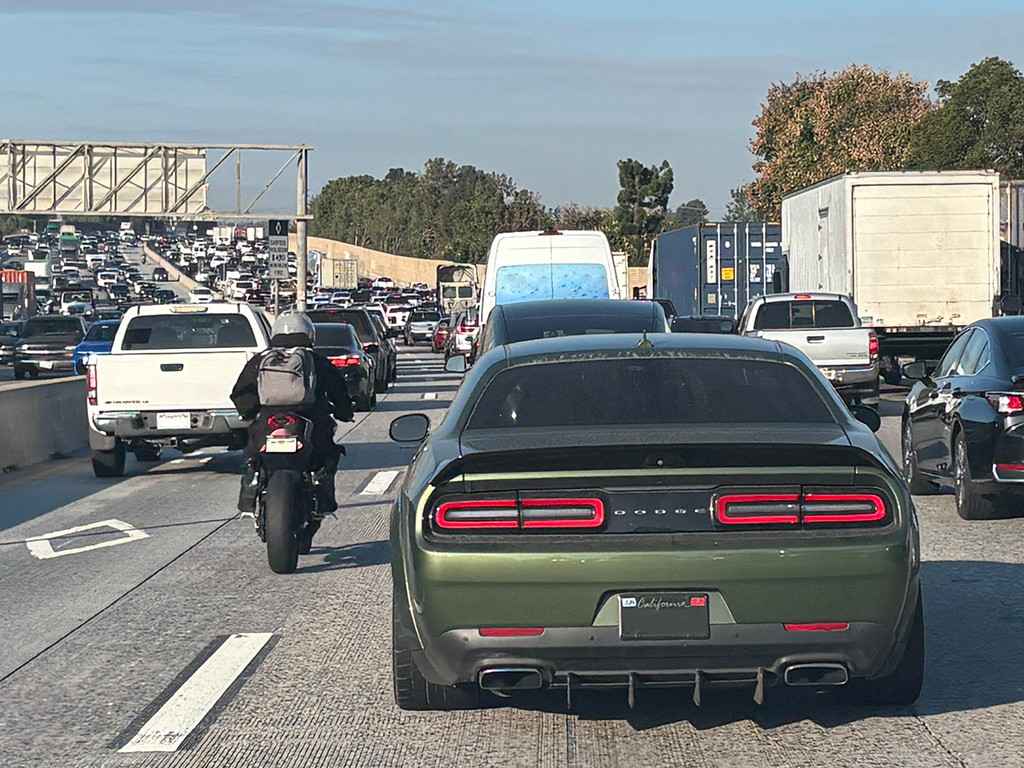
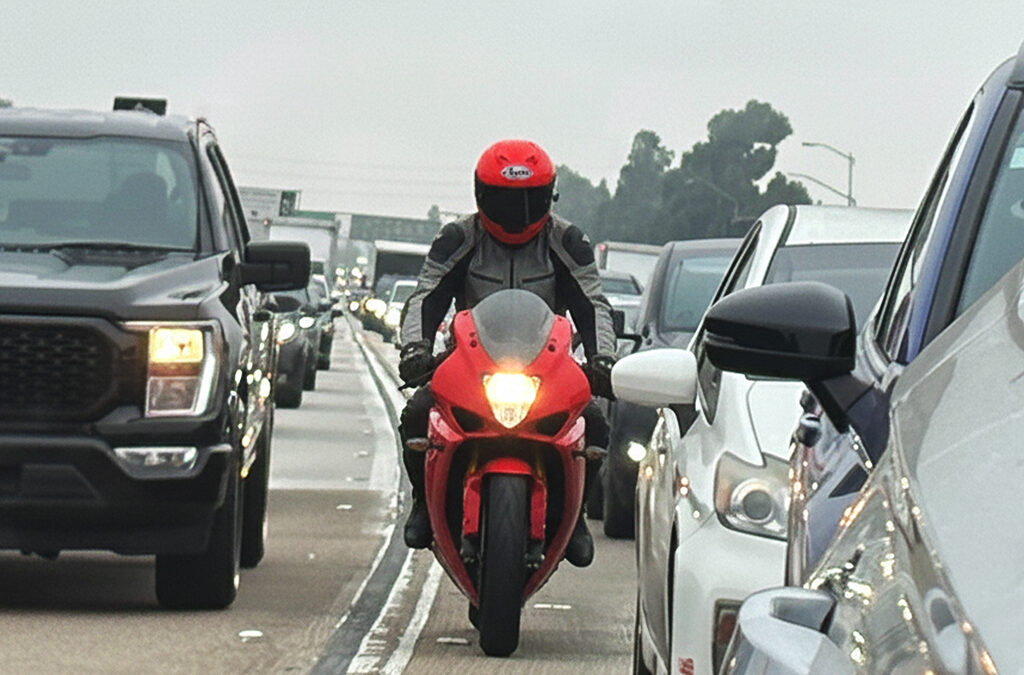
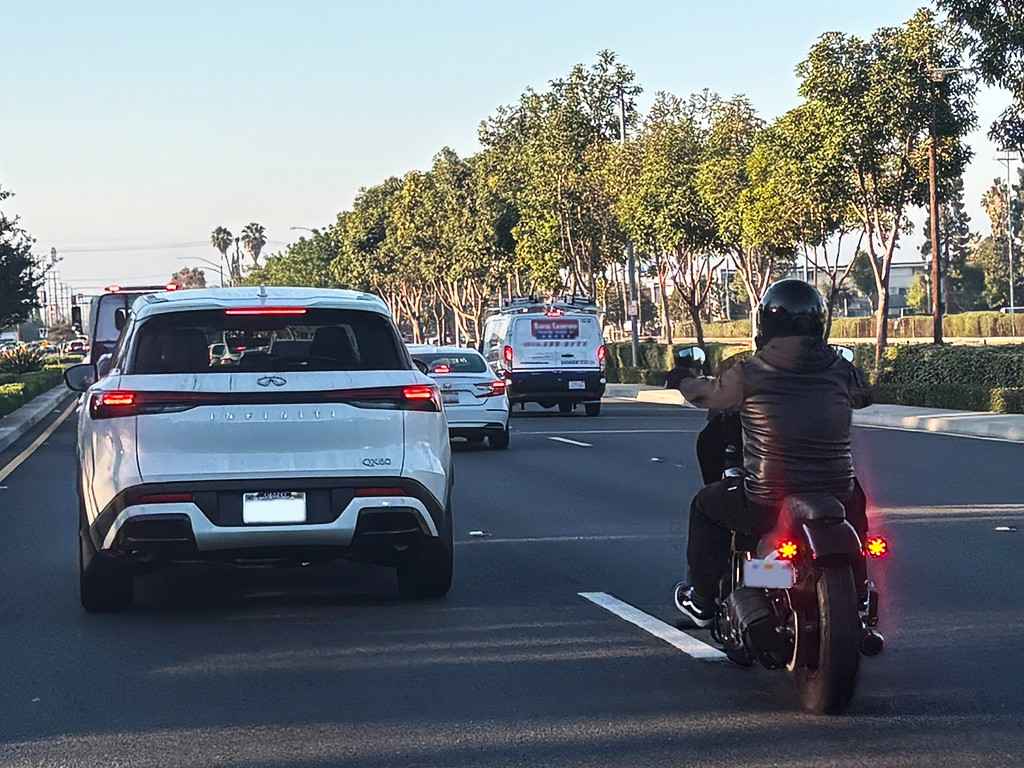
We’ve discussed riding gear and luggage but there are a few other considerations for commuting on your motorcycle, including conspicuity and tactics. As it seems cage drivers never see bikes, there are a few things you can do to increase your visibility, these include wearing bright-colored and reflective gear or a vest, always have your high beam on, and if your bike has hazard signals, use them while lane sharing. Talking about lane sharing, otherwise known as lane splitting or filtering, California is one of the few states that allows motorcyclists to ride between two lanes of traffic. This has been the case for decades but in recent years our ability to do so was formalized in the California Vehicle Code Section 21658.1 with certain guidelines created by the California Highway Patrol, which you can read at: Splitting Traffic Lanes Safely | Russ Brown Motorcycle Attorneys®. As lane sharing is allowed on all roads it means you ride by slow or stopped traffic on the freeway and on surface streets that have two or more lanes in the same direction. Of course another time-saving advantage of riding a bike to work is that you can also use the carpool lane.
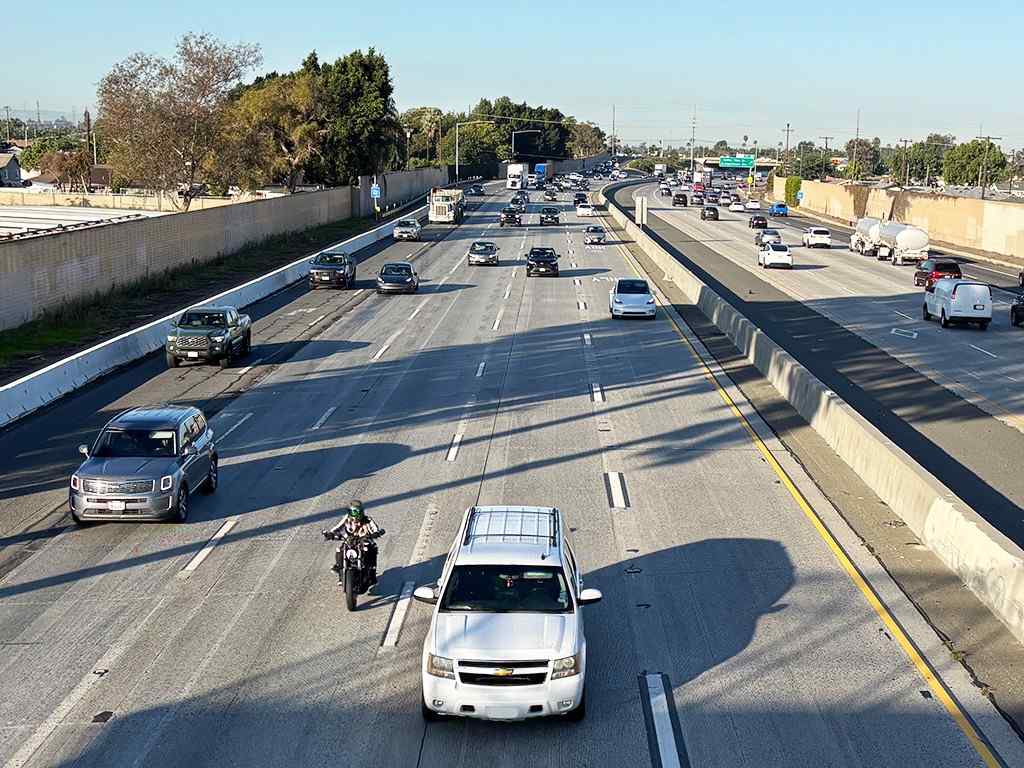
When planning to commute on your bike, you should first figure out the best riding routes to and from work, which may be different. Consider which freeway options have carpool lanes and how wide the cap is between the carpool and number one lane (or between lanes one and two) for lane sharing, what surface street options have at least two lanes, also for lane sharing, your vulnerability at non-signal-controlled left turns, etc. Using navigation apps can help to identify road closures, accidents, and roadworks but don’t blindly follow them as they route based on car movement, so may direct you miles out of your way when you could just lane share passed stopped traffic. When you arrive at work, you’ll want to secure your bike. Using a chain or cable to secure it to an immoveable object, adding an alarmed disc lock, and covering your motorcycle will all help to ensure its there for your ride home.
So, with all the advantages of saving time and money, reducing rush hour frustration, and actually adding a little fun into your commute, plus the ways you can greatly reduce or eliminate the inconveniences, there’s no reason you shouldn’t commute on your bike. I’ll see you out there.