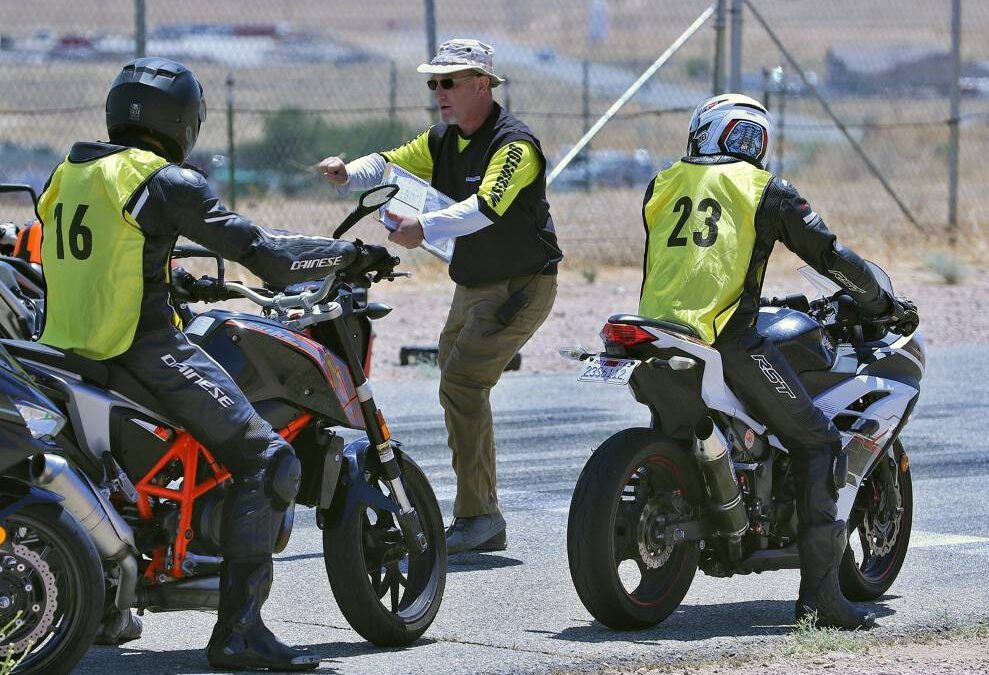
Something I have noticed lately is how many current “experts” in rider training have not taken new training from anyone else in a very long time. The subject came up when I asked one of the more vocal racing school instructors in the industry when the last time he took training from another instructor was. His answer was “over 20 years ago.” Believe it or not, there are some in this business with a number double that amount.
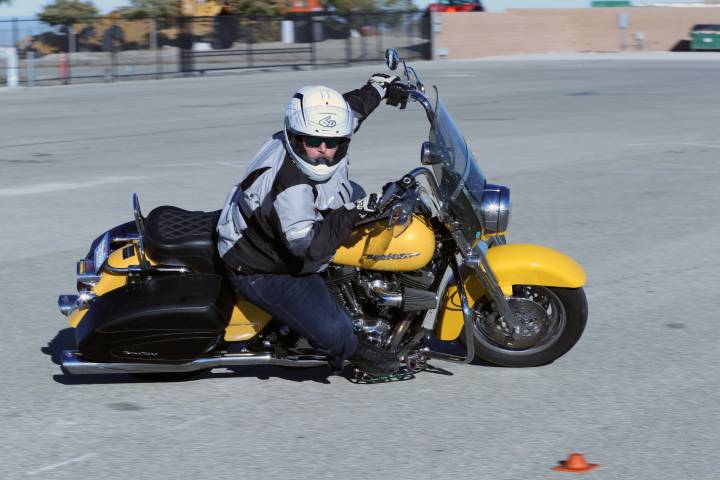
Of course, the only way to know how what you are teaching compares to what else is out there is to experience what others are teaching. I also feel it is important for instructors to put themselves in “student shoes” every year to not lose touch with what their students are going through and to have empathy for the student experience. To that end I have personally taken motor-cop, motocross, gymkhana and flat track motorcycle courses in the last few years, plus skiing and downhill mountain biking lessons. These are all things I also happen to teach to one degree or another, but I always find it refreshing to see and experience someone else’s take on a given discipline or skill. Only a fool thinks he or she is the ultimate know-it-all in a given field. After all, even the best Olympic athletes and MotoGP racers all have coaches.
As someone who personally spends a lot of time developing and improving rider training curricula at multiple levels in multiple disciplines, it is possible to get a little disconnected from the final product when you find yourself hanging out in your ivory tower for too long. This happened to me recently when I taught one of our Intermediate Riding Clinics (IRC) to regular students for the first time in 8 years! I’ve been so involved in the training of beginner and advanced instructors and instructor trainers, that I had almost forgotten the critical “middle step” factor in the never-ending fight to reduce motorcyclist crashes, injuries and fatalities.
In what was a pretty typical IRC in the state of PA, we had a group of students who were riding on permits and were there to get their endorsements. Some of the students had been riding for only a couple months and one had been riding for 10 years(!) on a permit, and for whatever reason, finally decided to get legit with a full license. The one-day IRC is a license waiver class in some states for those folks who know how to ride but are not fully endorsed. Typically they are riding on a permit, sometimes they are riding illegally and occasionally they have some dirt bike experience. To keep those brand new riders who really need at least a two-day full beginner class from trying to attend, there is an entry exercise that happens before the formal class which includes starting, shifting, stopping and making a tight turn from a stop. If the rider is unable to successfully complete the entry exercise, he or she is sent back to the beginner course.
On this particular day, all the students passed the entry exercise, but some just by the hair of their chinny-chin-chins. Throughout the day my co-instructor and I saw this group of “tweeners” go from barely adequate to sensibly skilled. The difference in their confidence was awe-inspiring. I say that not only because they told us as much in their surveys, but you could actually see the confidence in their riding. Turns and stops that were once shaky and inconsistent, were now smooth and repeatable. Their bodies were noticeably less stressed as well.
In a truly Zen moment, I realized that when we teach new folks how to ride, many of them will never buy bikes and become riders. On the other side of the coin, advanced students are smart enough about risk to sign up for courses that are not “needed” to ride legally, but they choose to do so for improved safety and/or fun. In that case you are, to some decree, preaching to the choir. But intermediate riders are altogether different. They are all currently riding on the streets and are a risk to themselves and the rest of us who share the road with them. When we can reach that group, crashes, injuries and fatalities are sure to plummet. This was proven in three branches of the military in 2009 when they instituted mandatory intermediate (and in one case, advanced) training to all the riders on base resulting in a 37%–61% reduction in fatalities in the first year, which maintained with continued results in the years following.
While we may never be able to get legislation requiring intermediate-level training everywhere, its all of our jobs to encourage those we know to get the word out…starting with the man in the mirror.
Lee Parks has been riding and racing motorcycles since 1982, and won a WERA National Endurance Championship in 2001. He is one of the top motorcycle safety experts in the world and testifies in motorcycle personal injury cases through his motorcycle forensics firm www.compasskinetics.com. Mr. Parks is also the president of Total Control Training, the largest independent motorcycle training company in the North America with over 650,000 students trained since 1999. It is based on his best-selling book Total Control. Additionally, he is the president of Lee Parks Design, an American-made motorcycle glove manufacturer.