Hello fellow riders, this is the first of a series of ongoing blogs that relate to the goal of enjoying a safe ride using the strategy of Lane Position Optimization (LPO). If you’re new to this series then you’ll definitely want to read the blogs and watch the videos in the correct order as we’ll start with this overview, then talk about the four tactics that relate to the strategy, go on to describe how to use the tactics in the three main riding environments, and then go out on the bike and show the tactics being used in the real world.
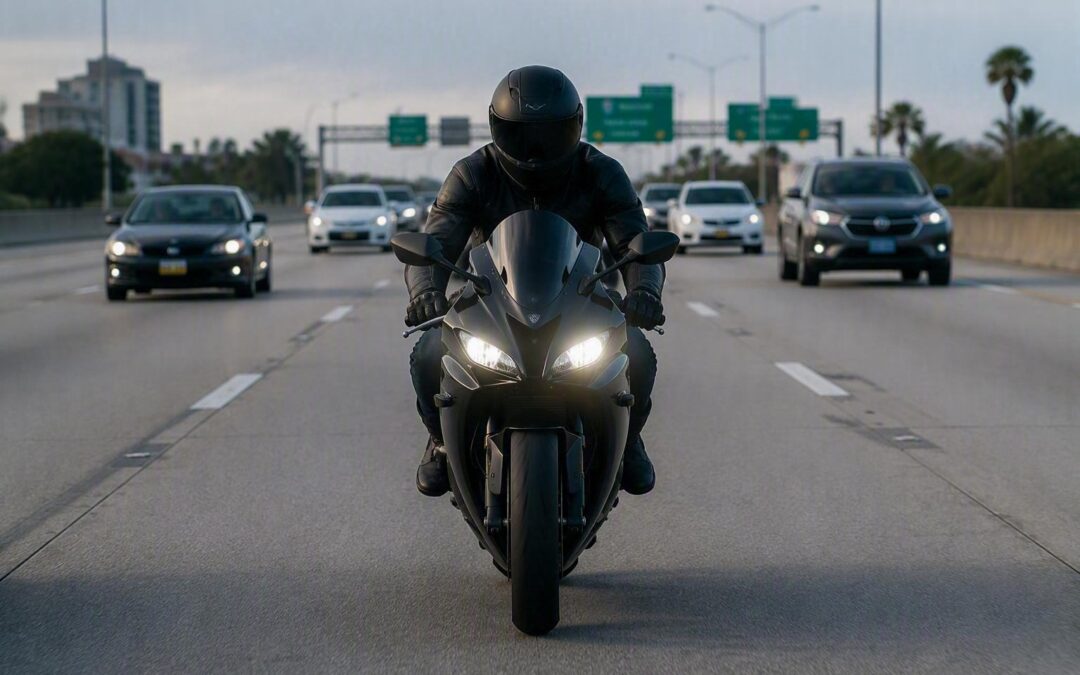
When you distill the goal of recreational motorcyclists, it’s to enjoy a safe ride. We ride because it’s fun and we don’t want to be scared by near misses and definitely don’t want to crash. One of the main strategies to help ensure an enjoyable and safe ride is Lane Position Optimization (LPO), which means placing your motorcycle in the best position on the roadway to help keep you safe. When moving through the riding environment this is otherwise known as your path of travel or your line through turns. LPO also relates to when you are stopped, such as at a red light, when waiting for a gap in traffic at an intersection, and even where and how you park your bike.
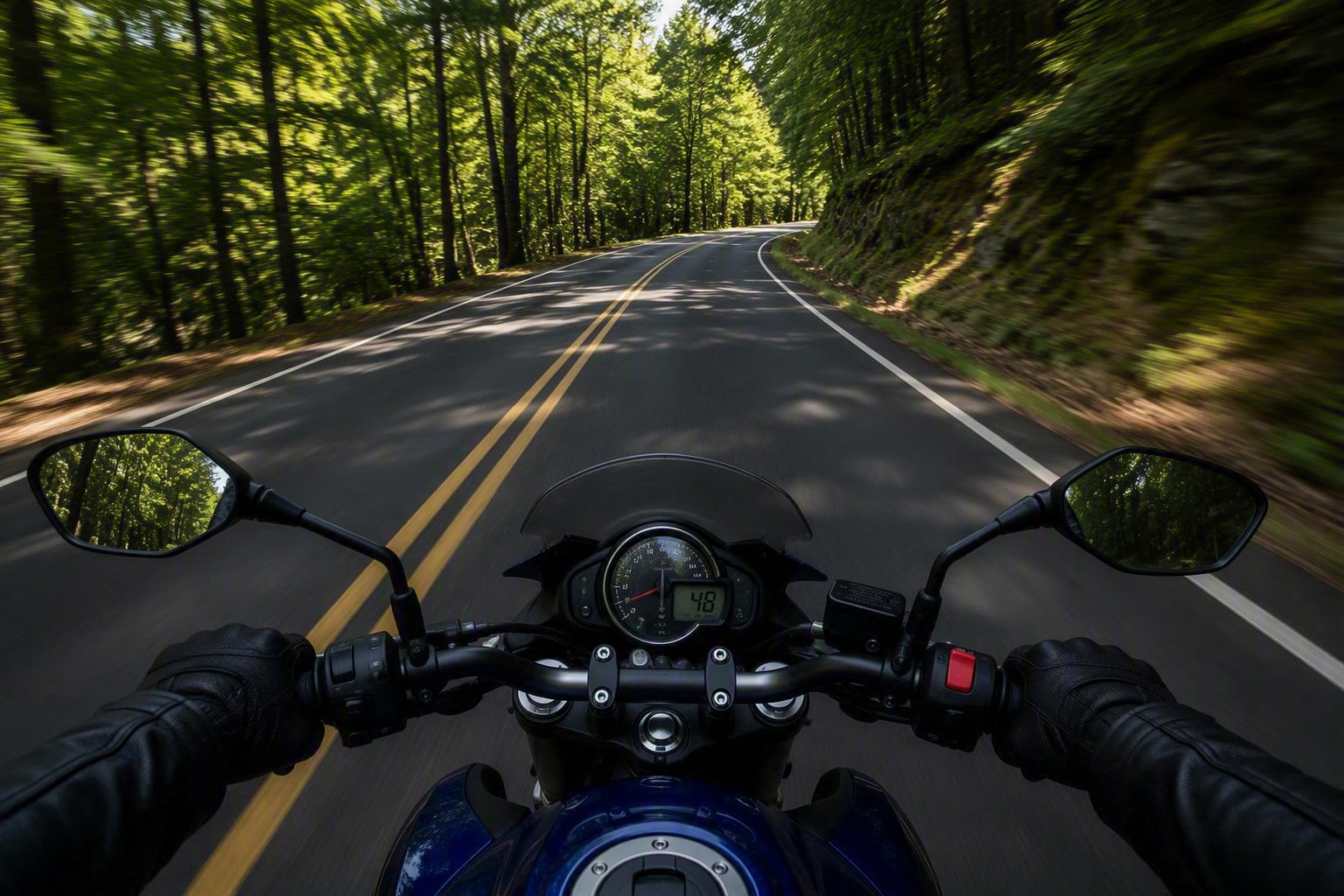
Given that a strategy is a general plan towards a goal, what we actually act upon is the tactics that relate to the plan, and Lane Position Optimization has four primary tactics: 1) Positioning to See the roadway, where it goes, other road users, and the general riding environment. 2) Positioning to be Seen by other road users so they can avoid violating your right of way and hitting you. 3) Positioning to Avoid Danger whether it be an actual current situation like an object in the roadway or a potential one like a car turning left in front of you. 4) Positioning to Maintain Traction and Control by avoiding excessive lean angles, aggressive maneuvers, and considering the slope of the road and other conditions. The tactics aren’t sequential in that you need to do them in order but instead should be considered and acted upon simultaneously. We’ll go into detail about each of the four tactics in separate blogs and videos.
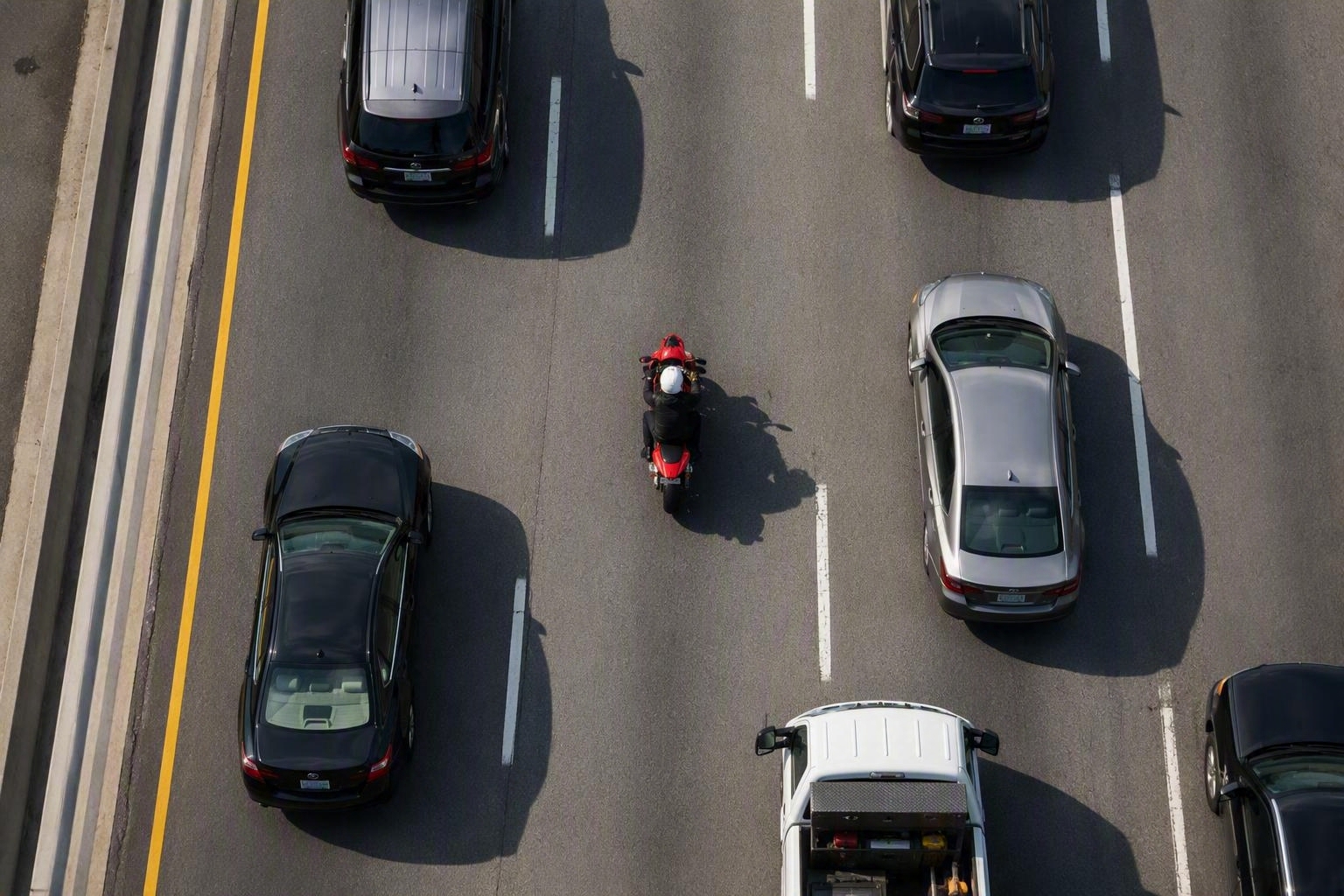
Motorcycles have a very small footprint, especially in width, which means there are numerous lateral positions within the lane or overall roadway in which we can ride. We primarily adjust our sideways positioning with our handlebars by steering or countersteering depending upon speed. Bikes are also much shorter than most other vehicles on the roadway, which provides us with more longitudinal flexibility that we adjust with our throttle and brakes. The advantage of our bikes’ small footprint and the agility with which we can adjust our position in the roadway allows us a great deal of flexibility to ride in the optimal position for safety.
As we’ll be talking about lane positioning and there are so many micro positions you can ride in, to make the subject simpler we’ll only consider three main positions; left, right, and center. The left and right positions are where the left and right wheels of a four-wheeled vehicle would be when the vehicle is centered in the lane, and the center of the lane is just that. Given that the standard highway width is 12 feet, with urban streets being between 10-11 feet, and residential streets between 9-10 feet, and the approximate width of passenger cars is about six feet and eight feet for trucks, using four-wheel vehicle wheel tracks as a guide gives you a buffer to the lane edge. This is especially important as bikes get effectively wider as they lean.
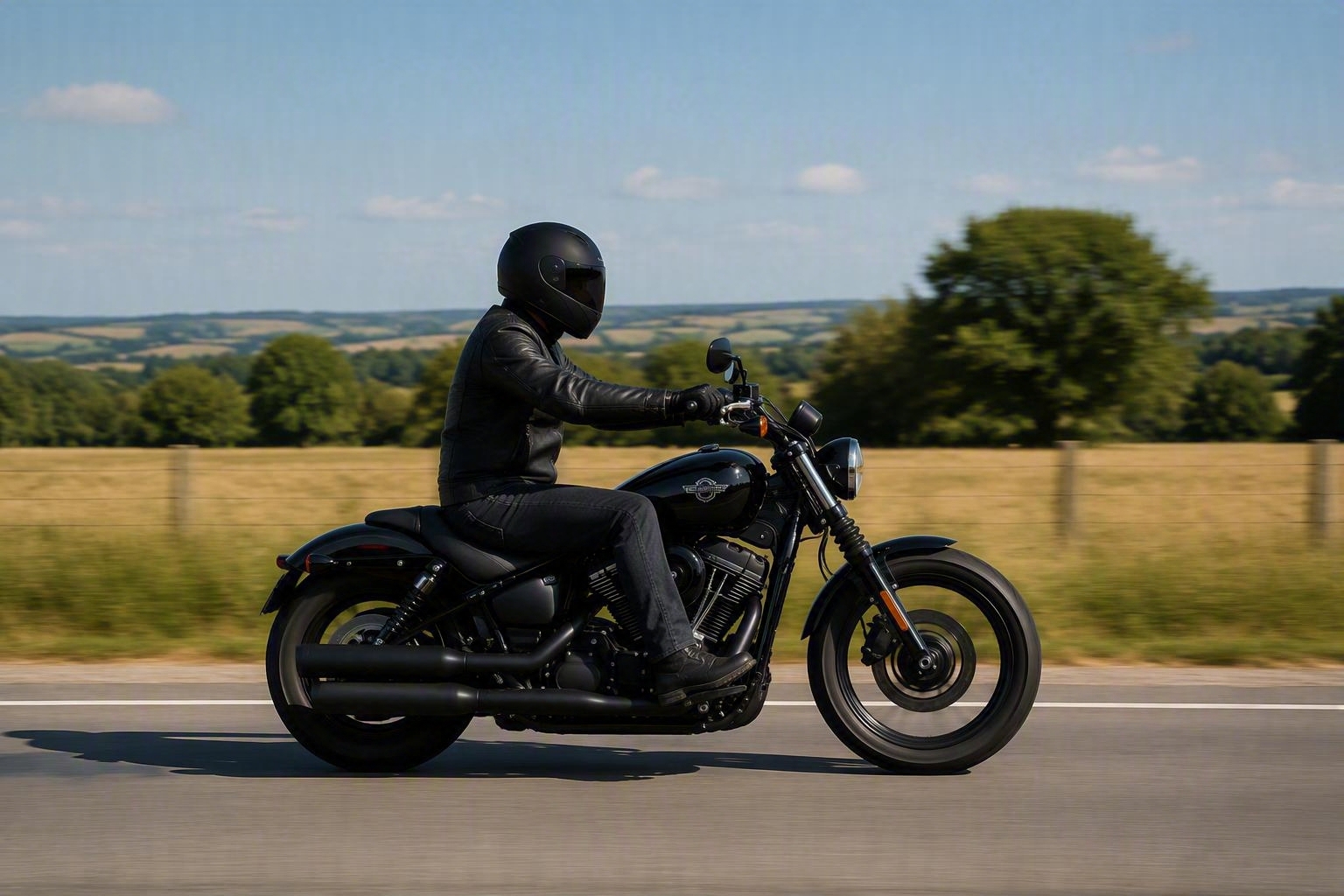
Although we physically control our motorcycles with our hands and feet, our brains decide when and how to operate the throttle, brakes, handlebars, clutch, gearshift lever, and other controls and functions. Some physical actions become rote in that we become so practiced and familiar with them that we don’t consciously think before doing. However, to ensure the best responses and reactions to different roadway situations, we need to think through, understand, and mentally practice using different strategies and their related tactics. So, think about the strategy of Lane Position Optimization and follow up by reading and watching the next blogs and videos that’ll talk about each related strategy.